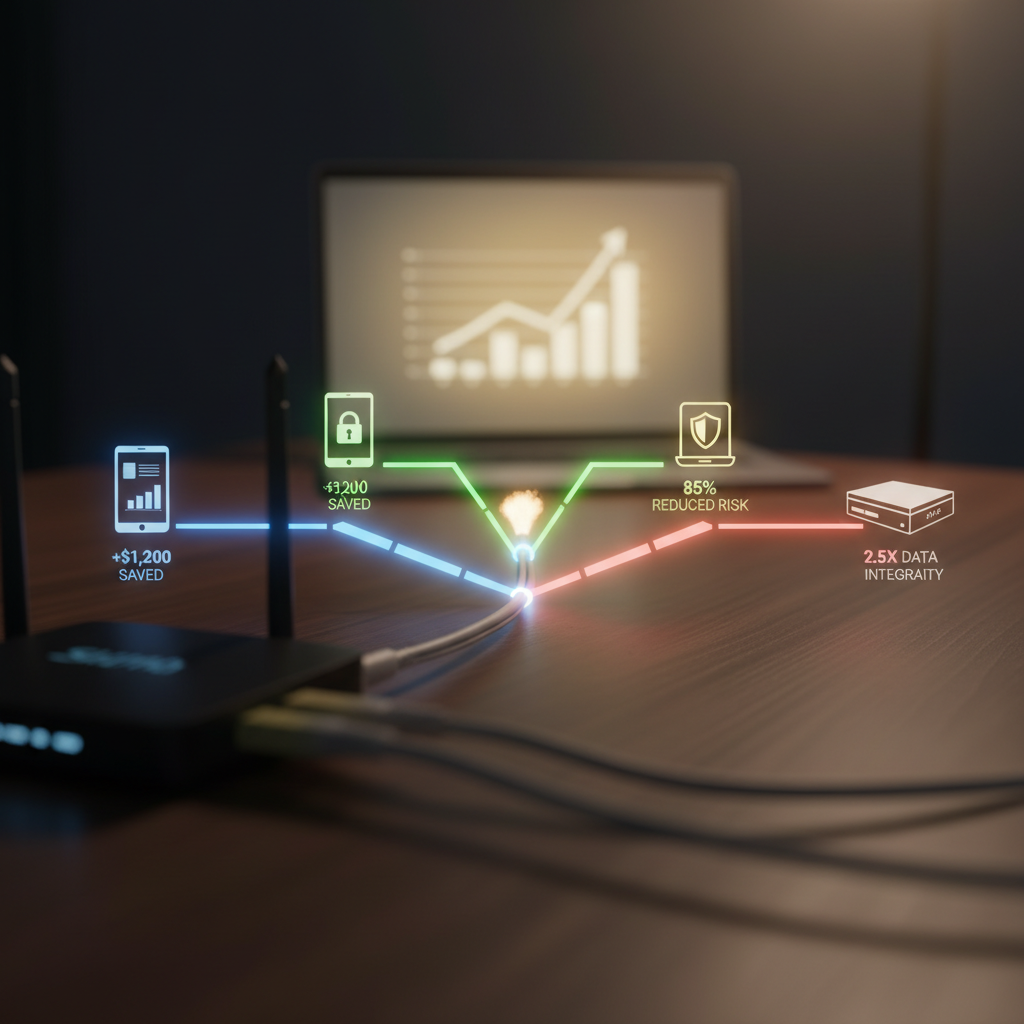
Protecting Your Digital Wealth with Strategic Network Security
Your home network isn’t just a conduit for streaming entertainment; it’s a vault holding your most precious personal and financial data—your true digital assets. From banking credentials and investment portfolios to sensitive personal documents and valuable intellectual property, the information flowing through your Wi-Fi is worth protecting. Unfortunately, most traditional home network setups are notoriously flat, offering alarmingly limited protection against internal threats once a single device is compromised. This fundamental flaw creates a significant financial risk mitigation challenge, as a breach in one area can quickly cascade across your entire network.
This is where a smart VLAN strategy becomes indispensable. Virtual Local Area Networks provide a crucial layer of segmentation, effectively acting as internal firewalls that isolate devices and services from each other. Imagine your home as a series of secure, locked rooms instead of one open-plan space; VLANs bring that same principle to your digital environment. For a deeper dive into why network segmentation is critical, check out this resource on why it’s a must-have for cybersecurity. Framing advanced home network security measures like VLANs isn’t merely a technical upgrade; it’s a proactive security investment in safeguarding your digital wealth. But what are the precise financial implications when this critical layer of protection is absent, and a home network falls victim to a breach? The costs often extend far beyond the obvious.
The Hidden Costs of a Compromised Home Network: Beyond the Obvious
When your home network, the gateway to your digital life, succumbs to a cyber attack, the initial shock of direct financial losses like bank or credit card fraud is often just the tip of the iceberg. These immediate hits, while painful, merely scratch the surface of the true cost of data breach personal data.
However, the insidious fallout of identity theft often proves far more damaging. Resolving identity theft is not a quick fix; it’s a grueling marathon of phone calls, paperwork, and lost personal time, potentially stretching for months or even years. The identity theft financial impact can be staggering, encompassing notary fees, legal consultations, and even lost wages from time taken off work. Furthermore, a compromised identity can severely impact your credit score, making future loans, mortgages, or even apartment rentals more difficult and expensive, underscoring the broader credit impact cybersecurity incidents can have.
Beyond identity concerns, consider the cyber attack hidden costs of data recovery, device replacement if hardware is bricked or compromised beyond repair, and the invaluable time spent simply trying to piece your digital life back together. This is where the concept of cost of inaction truly hits home. Neglecting robust security measures leaves your financial vulnerability home network wide open, creating a cascade of expenses and headaches that could have been avoided.
The emotional toll – stress, anxiety, and a feeling of violation – while not directly monetary, can indirectly affect productivity and decision-making, impacting financial well-being. Proactive monitoring and segmentation, as the FTC highlights in their advice to “Stick with Security: Segment Your Network,” are crucial for preventing such deep-seated damage. Read more on why segmentation is key for security.
Understanding these profound risks makes it clear that waiting for a breach is far more expensive than preventing one. Fortunately, there’s a powerful tool available to build those internal digital walls and secure your various network segments, much like those secure, locked rooms we imagined earlier.
VLANs Explained: Your Digital Vault’s Inner Walls
Having explored the often-underestimated costs of a breach, let’s turn our attention to the architectural solution that builds those internal digital walls we discussed: VLANs. So, what are VLANs? Essentially, Virtual Local Area Networks allow you to logically separate a single physical network into multiple distinct virtual networks. Imagine your home network as a large, open-plan office. While everyone shares the same physical space, VLAN functionality lets you create separate, access-controlled departments – say, your secure finance department, the IoT devices lab, and the guest lounge.
With VLAN functionality in play, devices on different VLANs cannot communicate directly. Any traffic needing to cross between these virtual segments must first pass through your router, where you can enforce specific security rules. This powerful form of network isolation is where the true security benefit shines. If a single segment, like your smart speaker VLAN, were to be compromised, the attack’s security blast radius is severely limited. The threat is contained, unable to easily spread to your mission-critical devices or personal data on a different VLAN. This differs from physical segmentation, which would require entirely separate hardware for each network, making VLANs a highly efficient and cost-effective method of network segmentation explained. This foundational understanding of how VLANs create these insulated digital vaults is crucial as we now turn to quantifying the financial prudence of such a setup.
From Vulnerability to Asset Protection: Quantifying the ROI of VLANs
Having explored how VLANs create secure digital vaults, it’s time to move beyond the technical “how” to the financial “why.” Investing in VLAN for Home Network Security ROI isn’t just about good practice; it’s about realizing tangible cybersecurity investment returns. Think of VLANs as a proactive digital insurance policy, significantly reducing the probability and impact of cyber incidents.
The return on investment here isn’t a traditional revenue stream, but rather an avoided cost analysis. Recall the potential financial and personal costs of a breach we discussed earlier – identity theft, financial fraud, data recovery expenses, or even the loss of critical WFH business assets. By minimizing these risks through network segmentation, your investment in VLAN setup (time, modest equipment upgrades) actively preserves your existing wealth and prevents future financial setbacks. This act of safeguarding your digital life is truly a powerful asset protection strategy for your sensitive financial data, professional endeavors, and even the online safety of your children. Quantifying security benefits might feel abstract, but the peace of mind knowing your digital holdings are fortified is an invaluable, albeit intangible, return. Understanding network segmentation’s role in this broader security posture can be further explored here. This approach shifts your home network from a potential liability to a resilient fortress, and to build that fortress, we need to understand the components involved.
Key Components and Investment: Building Your Segmented Home Network
Building your segmented home network requires a few key pieces of equipment and some dedicated effort. At its core, you’ll need either a robust VLAN capable router or, more commonly, a managed network switch that can handle VLAN tagging to properly direct traffic. For most homes, an entry-level managed switch can be acquired for around $50-$100, while more advanced models or high-performance VLAN capable router solutions might range from $150 to $500 or more, depending on features, brand, and throughput. This represents the primary home network upgrade cost for those needing to replace older, incompatible gear.
Beyond the hardware, the actual VLAN setup cost home includes your time and potential learning curve. For the technically inclined, DIY network segmentation is certainly achievable, but it demands a significant time investment to master the intricacies of network configuration and firmware updates. Resources like Bishop Fox’s DIY network segmentation guide can be invaluable here. This commitment to DIY security can extend to other areas, such as a network-wide ad blocker setup, offering further privacy and financial benefits. Alternatively, engaging a professional for installation and setup reduces your personal time commitment but naturally adds to your overall network security investment with service fees, potentially ranging from a few hundred dollars to upwards of $1000 depending on complexity. Understanding these initial outlays is crucial for accurately calculating your long-term ROI. Once you have the infrastructure in place, the next logical step is deciding how to strategically use it.
Strategic Segmentation: Which Devices Need Their Own Zone?
Once your VLAN-capable hardware is ready, the true power of your network security investment comes from strategic network segmentation. The core principle is simple: assume compromise on less secure devices and isolate them to prevent lateral movement. A crucial first step is creating a dedicated guest network VLAN. This immediately protects your internal resources from unknown devices your visitors bring, significantly reducing risk without direct intervention on their part.
Next, consider your IoT network security investment. Smart home device isolation is paramount. Devices like smart TVs, security cameras, and connected appliances are notorious for security vulnerabilities, making an IoT network security investment in a separate VLAN essential to prevent them from becoming backdoors to your sensitive data. Similarly, for those working remotely, a distinct work from home security VLAN can safeguard both employer data and your personal network from potential corporate-related risks.
For devices holding your most critical personal and financial information, such as Network Attached Storage (NAS) or your primary desktop, or even if you build your own personal cloud storage server, a “Sensitive Data VLAN” provides an extra layer of defense. Less critical devices like personal phones, tablets, or gaming consoles can reside on a “General Use VLAN.” Adhering to device segmentation best practices, as outlined by resources like UpGuard’s network segmentation guide, will ensure your strategy is robust and adaptable. This thoughtful approach to isolating different device categories is not just about current protection, but also about future-proofing your digital defenses as the smart home era continues to evolve.
Future-Proofing Your Digital Defenses: VLANs in the Smart Home Era
The landscape of our homes is changing rapidly, driven by the exponential growth of IoT devices and smart home technology. From smart thermostats and lighting to security cameras and even connected refrigerators, our living spaces are transforming into intricate digital ecosystems. While immensely convenient, many of these devices are notorious for their IoT security challenges, often arriving with known vulnerabilities, receiving infrequent updates, and potentially acting as easy entry points for cybercriminals. For a more comprehensive understanding of how to protect these interconnected systems, consider a deeper dive into smart home security.
This expanding attack surface makes a robust smart home security VLAN strategy not just beneficial, but absolutely critical. By logically isolating these devices on their own VLANs, you create a powerful containment layer, ensuring that even if one smart bulb or sensor is compromised, the breach is contained and cannot propagate to your more sensitive devices. This approach embodies a zero trust home network philosophy, where no device is inherently trusted. Such segmentation isn’t merely about current protection; it’s a vital VLAN long-term strategy that helps future-proof home network against the constantly evolving threat landscape, as highlighted in resources like Vantiva’s Connected Home Trends report. Understanding the underlying technologies like Zigbee vs Z-Wave vs Matter can also help in making financially astute decisions for your smart home. Embracing these connected home security trends via VLANs ensures the longevity and security of your digital investments in our increasingly connected future. However, setting up these defenses is just the beginning; sustained security demands ongoing attention.
Beyond Setup: Ongoing Maintenance and Monitoring for Sustained ROI
Setting up your VLANs is a crucial first step towards fortifying your home network, but it’s far from a “set it and forget it” task. To truly realize sustained ROI security, ongoing vigilance is paramount. Think of VLAN maintenance as an active duty; regularly updating your router and switch firmware is non-negotiable, patching vulnerabilities before they can be exploited. Equally important is proactive network security monitoring for unusual traffic patterns—these can be early indicators of compromise within your segmented zones.
Your household’s digital footprint isn’t static. As new smart devices join or old ones depart, consistently reviewing and adapting your VLAN configurations ensures optimal segmentation. This network adaptation isn’t just about current needs; it prepares you for future technology networking, ensuring your strategy remains robust against evolving threats, much like the added layer of control and privacy gained by learning how to set up a personal VPN server, as highlighted in insights about new technology networking in 2025. Ultimately, ongoing cybersecurity is a continuous journey, not a destination. Maintaining this digital insurance policy through persistent effort safeguards your investment and peace of mind.

Senior technology analyst covering enterprise software, AI, and digital transformation. James has spent over a decade helping business leaders understand how emerging tech reshapes competitive strategy.