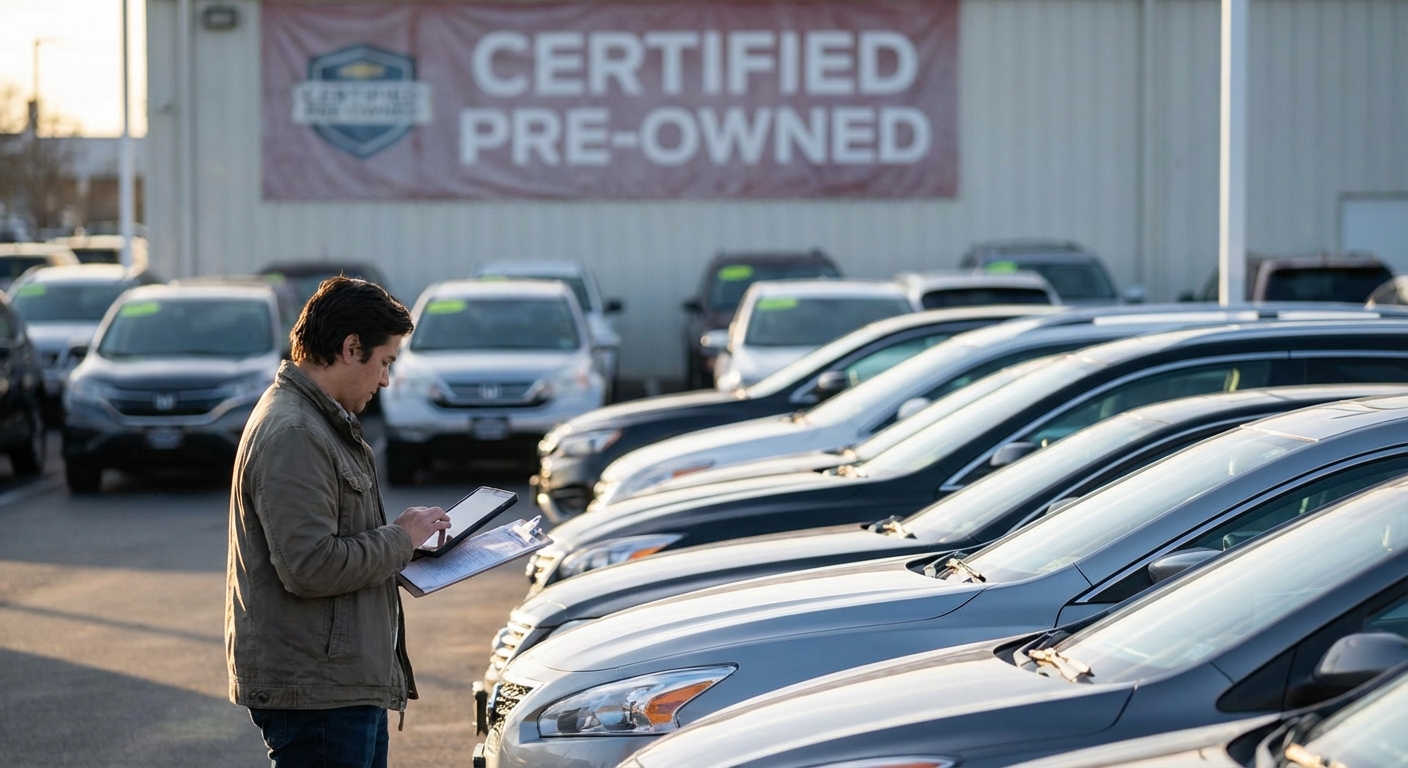
Used car price trends are, let’s be honest, always in motion — which makes it tough for buyers to figure out that *perfect* moment to jump in. This guide, quite a thorough one, will unpack the market’s current dynamics, pointing out the vehicles you’d do best to avoid and taking a good look at the newest automotive trends shaping how we’ll all be driving in the years to come. Ultimately, we’re giving you the insights you need for a purchase that feels both smart and sure of itself.
Decoding the Current Used Car Price Trends
The used car world, well, it’s pretty strange these days. We’re honestly still dealing with the long hangover from the pandemic years. Remember 2020 and 2021, when new car lots sat practically empty? That whole supply chain mess sent massive shockwaves through the market, pushing used car values sky-high — to genuinely unbelievable levels, in fact. Now, though, you’re seeing things *start* to shift. And it’s not just that; broader economic pressures, like those stubborn interest rates and persistent inflation, are completely changing the game. Suddenly, that monthly car payment can feel a lot more intimidating, which is forcing sellers, whether they like it or not, to be much more realistic about their pricing. That’s a huge, huge driver behind the current Used Car Price Trends, if you ask me.
The depreciation curve — that predictable downward slide that used to be a given — got completely thrown out of whack for a while, but it’s finally beginning to look more normal. Still, its path varies wildly depending on the actual vehicle type.
- SUVs and Crossovers: Sure, they still hold their value pretty well compared to other segments, but that peak, it’s definitely in the rearview mirror. The market’s absolutely flooded with them now, so prices are softening.
- Pickup Trucks: These guys? They remain the undeniable *kings* of value retention. Practical workhorses and lifestyle vehicles, trucks consistently see strong demand.
- An absolute sweet spot for savvy buyers looking for deals? *Sedans*. With everyone chasing after SUVs, sedan values are dropping much faster, which, naturally, means more car for your money.
- Electric Vehicles (EVs): This whole category is the Wild West, pure and simple. Early models are shedding value at a shocking pace because battery technology is evolving so fast, and new models are getting hefty price cuts from manufacturers. Betting on an EV right now for value retention? That’s a serious risk.
So, are we heading into a buyer’s market or still stuck in a seller’s? It’s definitely tilting hard toward buyers. Prices have been in a steady decline since their 2022 highs, and guess what — inventory is growing. My forecast for the next 6-12 months? Look for a continued slow-motion correction, not a sudden crash. This cooling market, for all its complexities, is a big reason why really *understanding* the overall Used Car Price Trends is so important. It makes knowing which specific models to avoid even more of a priority, as a poor purchase could bleed value even quicker, don’t you think?
7 Used Cars to Avoid — A Critical Buyer’s Blacklist
Navigating today’s market isn’t just about finding a great deal, is it? More often, it’s about outright *avoiding* a disaster. See, while the general used car price trends might nudge you toward some options that look surprisingly affordable, certain models — and you know the kind I mean — have earned their notorious reputations for very good reasons. They’re, simply put, value traps. Here’s a list of particular vehicles from the last decade that will, in all likelihood, cause you far more headaches and expense than they’re ever worth.
Ford Focus (2012-2016) & Fiesta (2011-2016)
The absolute main culprit here, the big villain if you will, is the DSP6 PowerShift automatic transmission. It’s infamous for severe shuddering, hesitations, and even outright failure. Ford actually faced numerous class-action lawsuits over this particular gearbox, and while some units *were* fixed under warranty, you’ll find that many used models out there are essentially ticking time bombs. A full transmission replacement? That can easily set you back anywhere from $2,000 to $4,000, which, of course, completely wipes out any initial savings you thought you were getting.
Nissan Rogue (2013-2017)
Nissan’s earlier Continuously Variable Transmissions, or CVTs, are — let’s just say it — *notorious* for failing prematurely. Drivers frequently report symptoms like overheating, distinct whining noises, and even sudden losses of power while driving. A replacement transmission, often running a staggering $3,000 to $5,000, is usually the *only* real fix. It’s a massive gamble, frankly, on a vehicle that many hope will be a reliable family hauler.
Jeep Cherokee (2014-2016)
These particular models were among the very first to incorporate ZF’s nine-speed automatic transmission, and those early versions, unfortunately, were absolutely plagued with problems. Owners frequently complained about rough, unpredictable shifting patterns and even getting stuck in a single gear sometimes. Sure, software updates offered some relief for a few, but a good many ultimately required expensive hardware replacements. All in all, it’s a frustrating issue that really tarnishes an otherwise rather capable SUV.
Chevrolet Cruze (2011-2014)
The 1.4-liter turbo engine is the primary concern with these. It’s prone to frequent oil and coolant leaks, often originating from the water pump or the turbocharger seals. While these might initially seem like minor issues, they can — and often do — lead to catastrophic engine overheating and eventual failure if not caught and addressed immediately. And those repair bills? They can stack up *fast*, easily pushing past $1,500 before you know it.
The New Wave — Latest Automotive Trends in the Used Market
Alright, so we’ve moved past the models you absolutely should *flee* from. But the used market today? It’s absolutely packed with technology that felt brand new just a few short years ago. This is a whole new ballgame for buyers. The most striking shift, without a doubt, is the massive influx of used Electric Vehicles (EVs) and Hybrids. While that lower initial price tag might seem incredibly tempting, jumping into one means you need a completely different mindset, truly. The big question here isn’t about the engine anymore; it’s all about the battery. You’ve simply *got* to investigate its health, which isn’t nearly as simple as just popping the hood. Always ask for a battery health report, if that’s even possible, and remember that degradation is real — an older EV won’t deliver the same range it did when it rolled off the lot new. And *this* is key: double-check the battery pack’s warranty status. If it’s still covered, you’ve got a huge safety net, a real financial guardian. Yes, the long-term ownership costs can be fantastic — goodbye oil changes, goodbye gas stations — but a potential out-of-warranty battery replacement… well, that could easily wipe out every single one of those savings, couldn’t it? It’s a factor *massively* influencing the latest Used Car Price Trends for these types of vehicles.
Then you have the increasing prevalence of Advanced Driver-Assistance Systems (ADAS). That used sedan you’ve got your eye on might come equipped with adaptive cruise control, for instance, which keeps a safe distance on the highway, or maybe even lane-keeping assist, gently nudging you back into your lane if you drift. These features are genuinely great, undeniably helpful, but they all depend on a pretty complex web of sensors strategically placed in the bumpers, mirrors, and even the windshield. So, a minor fender bender or, believe it or not, even a simple cracked windshield can actually lead to surprisingly expensive repair bills. It’s not just the part cost, either; it’s the specialized equipment, often only found at dealerships, needed to recalibrate all those sensors. This particular hidden cost of ownership is something many buyers completely overlook, and it’s an important factor reflected in the overall value — or lack thereof — in current Used Car Price Trends. So, before you totally fall for all those high-tech bells and whistles, take a moment to really consider the potential long-term maintenance implications.
A Strategic Guide to Navigating Volatile Used Car Prices
So, you’ve seen all that new tech making its way onto the used market. But now comes the real trick: how do you actually *buy* a car without getting completely taken for a ride? The answer is simple, really. You need a game plan. And you absolutely *must* stick to it. Understanding the latest Used Car Price Trends is one thing, of course, but actively using that knowledge to snag a genuinely fair deal? That’s an entirely different beast altogether.
Your homework, and yes, there will be homework, starts online. Hit up sites like Kelley Blue Book or Edmunds to nail down a baseline value. But please, treat that number as just a starting point, not as gospel. A car with 50,000 miles that’s lived its life in the harsh salt belt isn’t the same animal as one from sunny Arizona, for example. You simply have to adjust for things like mileage, overall condition, and even regional demand. When you finally feel ready to talk money, be firm, yes, but always be fair. If you’re dealing with a private seller, things are often a bit more straightforward, no frills. At a dealership, however, *always* keep your focus squarely on the final “out-the-door” price — completely ignore that monthly payment illusion they love to push.
Now, we get to perhaps the most important step, one you simply *cannot* skip: the pre-purchase inspection (PPI). Seriously. For a modest fee, usually somewhere between $150-$250, you’ll pay an *independent* mechanic — and absolutely *not* the one the seller suggests — to give the car a comprehensive, deep dive. A truly good mechanic will uncover issues you, as an untrained eye, would never, ever spot. What should they be looking at?
- The engine and transmission’s overall health, which means listening for any odd noises and meticulously checking performance.
- The condition of the brakes and tires, including how much life they have left and if there’s any uneven wear pattern.
- Any frame damage or other telling signs of previous, perhaps poorly repaired, accidents.
- Computer diagnostics, a deep scan to uncover any hidden error codes that the dashboard lights aren’t going to show you.
- And finally, they should be diligently searching for any and all fluid leaks, from oil to coolant and everything in between.
This detailed report isn’t just a piece of paper; it’s your leverage. It either confirms you’ve stumbled upon a genuine gem, or it hands you some very solid reasons to negotiate that price right down — or, frankly, just to walk away entirely. A thoughtful, robust strategy like this will help you *master* the current Used Car Price Trends, rather than becoming a passive victim of them.
Future-Proofing Your Purchase — How Tech is Shaping Resale Values
Okay, so your trusted mechanic just gave the engine a squeaky-clean bill of health. That’s fantastic news. But here’s the thing: the long-term value, the real *future* of your next used car, isn’t just about what’s under the hood anymore; it’s increasingly about the software nestled right there inside the dashboard. Just think about infotainment systems, for a moment. A five-year-old car boasting a crisp, responsive touchscreen running Apple CarPlay or Android Auto simply *feels* current, doesn’t it? Now compare that to a car of the very same age saddled with some clunky, proprietary system from a bygone era. It feels like a relic, pure and simple. This growing digital divide, this chasm if you will, is already significantly shaping current Used Car Price Trends, and it’s a factor you absolutely cannot afford to ignore when you’re thinking about a vehicle’s desirability down the road. For daily usability, it’s a huge, huge deal.
Then there’s the genuinely bizarre world of subscription-based features cropping up. Some automakers are actually building cars with hardware already installed — things like heated seats or remote start — but then, you have to shell out a monthly fee just to “unlock” and use them. As a second owner, this presents a massive question mark, doesn’t it? Will you automatically inherit the feature, or will you find yourself stuck having to pay a subscription for something that’s already physically *in* the car? This kind of uncertainty, let me tell you, generates risk, and risk almost always, without fail, drives down resale value. Finally, let’s consider the accelerating ‘Right to Repair’ debate. Modern cars, essentially, are supercomputers on wheels, and manufacturers are steadily, and increasingly, locking down access to their proprietary diagnostic software. This can make it incredibly difficult for your go-to independent mechanic to perform certain common repairs, often forcing you directly into pricier dealership service bays. This potential for higher, less predictable maintenance costs is a real wildcard — one that will, without a doubt, increasingly influence future Used Car Price Trends, ultimately making simpler, more easily serviceable models potentially *more* valuable over time.
Conclusions
The used car market, as we’ve seen, is undeniably intricate, a real maze sometimes. But here’s the good news: by truly grasping the current price trends, by knowing exactly which models to steer clear of, and by staying genuinely informed about all the new automotive technologies, you absolutely *empower* yourself. Putting these insights to work means you can navigate your purchase with genuine confidence, ultimately securing a reliable vehicle at a fair price — and, just as importantly, sidestepping those all-too-common pitfalls. Remember, then: diligent research is, without question, your single most powerful tool on this complex, yet ultimately very rewarding, journey.