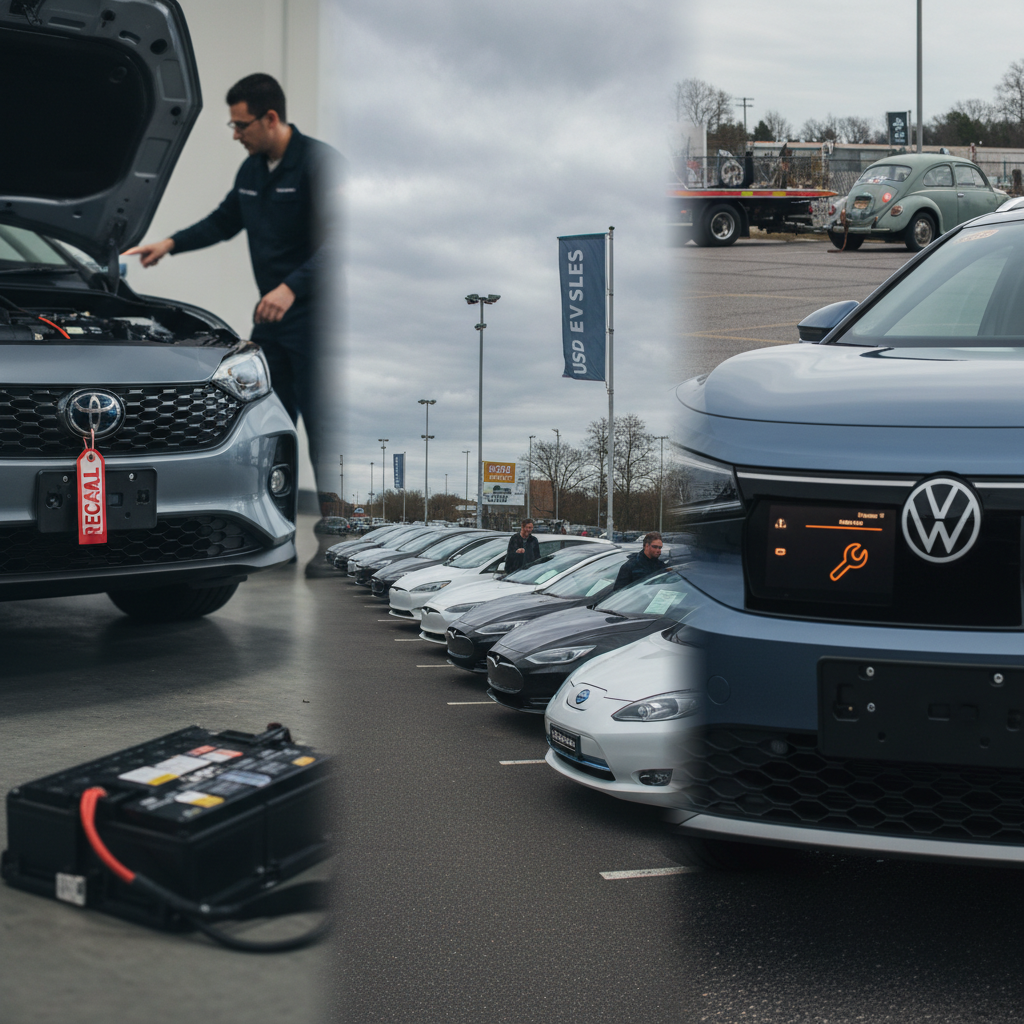
The recent Toyota recall is certainly sparking some worries for car owners and for anyone thinking about buying a vehicle right now, across the entire market. But this piece, well, it’s going to get into the *real* details of what went down—pitting it directly against the Volkswagen EV recall for a clear comparison, and then exploring the surprising ripple effects it’s already having on the landscape of used EV sales. We’ll give you the essential information you need, you see, to navigate this complex situation.
The 2024 Toyota Recall Explained—A Close Look
Let’s jump right into the *specifics* of this major Toyota recall, shall we? It targets some of Toyota’s heavy hitters: the 2022 and 2023 model year Tundra pickups and Sequoia SUVs. Specifically, those with the V35A twin-turbo V6 engine. At its core, the problem is surprisingly mechanical, almost old-school, really. During manufacturing, tiny metal shavings—machining debris—may not have been properly cleaned out of the engines. It sounds like such a small thing, but the consequences? Anything but. These fragments can contaminate the engine oil and cause the main bearings to fail. And the absolute worst-case scenario, the one everyone dreads? The engine could suddenly seize and stall while you’re driving. A complete loss of power. That’s a serious safety risk, no question.
Toyota’s fix, you can imagine, is as serious as the problem: a complete engine replacement for affected vehicles. It’s a massive undertaking, logistically speaking. So, if you own one of these models, what on earth should you do?
- First, check your Vehicle Identification Number (VIN) on Toyota’s official recall website, or even the NHTSA site works too.
- Toyota, they say, will be sending out official notification letters to owners by late July 2024.
- Once you’ve got that notice in hand, contact your local dealership *immediately* to schedule the inspection and the repair.
Look, this could sting, couldn’t it? For a brand that literally built its empire on bulletproof reliability, an engine-centric failure like this Toyota recall is a direct hit to its reputation. It might make used truck buyers think twice, for one, potentially softening the famously high resale values of the Tundra and Sequoia for a few years. It’s a classic manufacturing flaw, a physical issue with the hardware, which is a very different kind of challenge than the software glitches popping up in the EV space. That contrast is actually pretty interesting when we look at VW’s recent troubles, don’t you think?
VW’s EV Recall—A Comparative Analysis
Putting the latest Toyota recall next to Volkswagen’s recent EV troubles is like comparing apples and oranges, or maybe more accurately, wrenches and computer code. Toyota’s problem is fundamentally mechanical—bits of metal from the manufacturing process potentially left inside a brand-new engine. It’s a very physical, almost old-fashioned issue. You can picture it, the tiny shards. Volkswagen’s ID.4 recalls, on the other hand, often live squarely in the digital realm. We’re talking about software glitches that could cause the car to lose power or even doors that might unexpectedly open. One is a problem of material precision; the other is a problem of algorithms and electrical engineering. This difference, well, it shapes everything that follows. Toyota’s solution is massive and logistical: inspect and potentially replace entire engines. VW, in some cases, can simply push an over-the-air update, fixing the car while it sits quietly in your driveway. The public reaction is fascinating, too. A physical engine defect feels like a breach of trust in a company famed for reliability. It’s tangible. A software bug, while equally dangerous, can sometimes be perceived as merely a teething issue for new technology. There’s almost a resigned acceptance of software being imperfect, isn’t there? This highlights the unique challenges facing automakers today. While the big Toyota recall reminds us that mastering traditional manufacturing is still absolutely critical, the EV world shows that becoming a top-tier software company is now just as important for a car brand’s survival and reputation.
How Recalls Are Fueling the Used EV Sales Market
It seems strange to say, but headlines about the VW software glitch or the massive Toyota recall are actually having a fascinating side effect: they’re pushing more people toward used electric vehicles. It’s an unexpected relationship, to be honest. When buyers see both new EVs and trusted ICE cars facing significant issues, a bit of uncertainty, naturally, creeps in. Why gamble on a brand-new model, especially with new EV prices dropping so quickly? Many are concluding it’s smarter to let someone else take that massive initial depreciation hit. A two-year-old EV, all of a sudden, looks like a much more stable, predictable purchase.
But of course, buying a used EV isn’t without its own set of considerations. You’re simply trading one kind of uncertainty for another. Here are the key things you absolutely need to weigh:
- Pro: You avoid the steepest part of the depreciation curve, saving thousands right off the bat, which is always nice.
- Con: Battery health is a huge question mark. A third-party inspection, really, is almost mandatory to understand its remaining capacity and lifespan.
- Pro: Many used EVs have already had initial bugs and recalls sorted out by the first owner—that’s a pretty big plus.
- Con: The original factory warranty may be expired or close to it, potentially leaving you on the hook for expensive repairs if something goes wrong.
This dynamic changes how the market reacts to bad news, and it’s pretty interesting to watch. An ICE-related issue like the Toyota recall can subtly erode trust in *new* vehicles overall, making a proven, second-hand EV seem less risky by comparison. Meanwhile, an EV-specific recall can flood the used market with lease returns or trade-ins from worried owners, potentially lowering prices but also increasing the supply of vehicles that might need important software updates or hardware fixes. It’s a complex dance of risk, perception, and price that is creating a surprisingly hot market for used EVs, wouldn’t you agree?
A Practical Safety Guide for the Toyota Recall
If you suspect your car is involved, please, don’t panic. The first step is simple, thankfully: verification. You need your Vehicle Identification Number, or VIN. It’s a 17-character code you can find on the driver’s side dashboard—visible through the windshield—or on a sticker inside the driver’s door jamb. Got it? Good. Now, head over to the National Highway Traffic Safety Administration (NHTSA) website or Toyota’s own recall lookup page. Just punch in your VIN, and you’ll get an immediate answer on whether your vehicle is part of this Toyota recall. It’s that easy.
Once confirmed, your next call is to your local Toyota dealership’s service center. Tell them you have an open recall and provide your VIN. They will schedule a time for the repair. A quick tip: be patient. Service centers can get swamped during major recalls, you know how it is. But it’s important to remember your rights. The manufacturer is legally required to perform the necessary fix completely free of charge. No parts cost, no labor cost. Nothing.
To make that call as smooth as possible, have a few things ready. It always helps to be prepared.
- Your Vehicle Identification Number (VIN), naturally.
- Current vehicle registration—always a good idea to have that handy.
- Any recent service records, just in case they ask or need a reference.
- And a pen and paper to note down your appointment details and who you spoke with, because documentation is key.
What if there’s a delay with parts? It happens, unfortunately. Stay in regular contact with the service advisor. Ask for an estimated timeline, and if the delay becomes unreasonable, don’t hesitate to contact Toyota’s corporate customer service directly. Documenting your calls, every single one, is always a smart move. Your safety, remember, is the priority in any Toyota recall, and staying proactive is absolutely your best strategy here.
Future Impact—Recalls and the Shifting Automotive Landscape
Once you’ve navigated the immediate steps of a recall, it’s only natural to wonder about the bigger picture, isn’t it? What does all this mean for the future? These recent events, from the VW software patches to the current Toyota recall, are more than just logistical headaches for automakers. They’re seismic shifts, really, forcing a complete rethink of quality control. It’s one thing to test a fuel pump; it’s another to validate millions of lines of code that manage a battery. Manufacturers are now scrambling to blend decades of mechanical engineering wisdom with the fast-paced, bug-fixing culture of Silicon Valley. They simply *have* to. The stakes are just too high to get it wrong again. And what about brand loyalty? It’s a funny thing, that. A recall handled with transparency can, ironically, build trust. But repeated issues, well, they can erode a reputation built over generations. This uncertainty, you see, directly impacts the booming used EV market. As thousands of three-year-old EVs come off lease, their resale value will hinge on more than just mileage and battery health; it’ll be a whole new calculus of factors.
- Has this particular model had critical software updates, and were they seamless?
- What was the manufacturer’s response time to glitches, and how well did they communicate?
- How does its recall history compare to others in the same class—is it an outlier or par for the course?
These questions will become standard for savvy buyers, creating a new tier of *‘digitally certified’* used vehicles, a whole new way of looking at things. Ultimately, the landscape is shifting for all of us. The era of simply trusting a brand’s reputation is fading. The modern car buyer has to be more vigilant, more informed, and more of a researcher than ever before. A major Toyota recall or a complex EV software issue isn’t just a news alert anymore—it’s a fundamental part of the ownership experience. We’re not just buying a machine; we’re buying into a complex ecosystem of hardware and software, and it definitely pays to understand what you’re getting into.
A Final Thought
So, the Toyota recall certainly highlights persistent manufacturing challenges, while the VW recall—with its digital woes—underscores the sheer complexities of EV technology. Both events, you can bet, significantly influence consumer trust and, perhaps less obviously, the used car market. For car owners and buyers alike, staying informed and doing your homework is more critical than it’s ever been, ensuring your safety, protecting your investments, and confidently navigating this constantly evolving automotive industry.